The Wait Is Too Long: Navigating America's Dermatologist Shortage When You Need Hair Loss Care Now
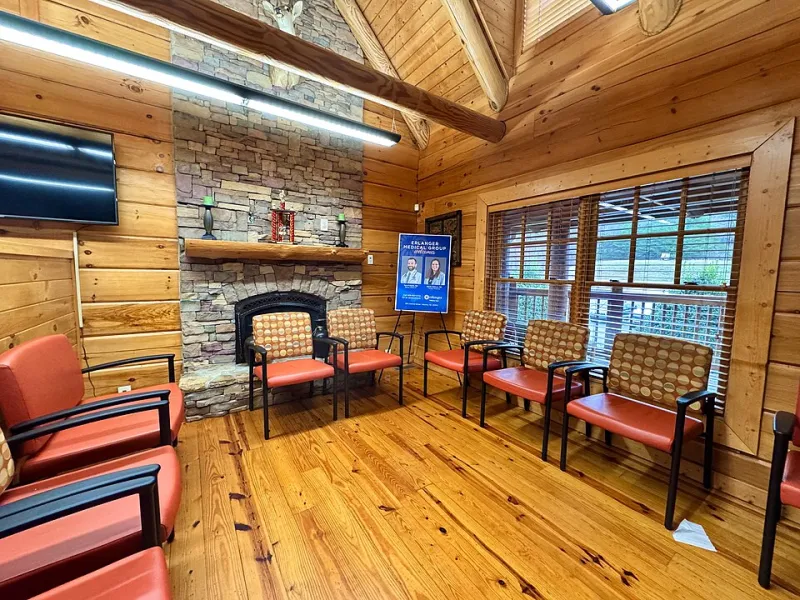
Photo: Harrison Keely, CC BY 4.0, via Wikimedia Commons
For many Americans, the moment they notice thinning hair or a receding hairline is the moment they resolve to do something about it. They research their options, identify the right type of specialist, and reach for the phone—only to discover the earliest available appointment is four months away. In some parts of the country, the wait is even longer.
This is not an isolated frustration. It is a structural problem embedded in the American healthcare system, and it has direct, measurable consequences for people seeking timely hair loss treatment.
How Severe Is the Dermatologist Shortage?
The United States has approximately 12,000 practicing dermatologists serving a population of over 330 million people. According to data from the American Academy of Dermatology, the national average wait time for a new dermatology appointment hovers around 32 days—but that figure obscures significant regional variation. In rural states and underserved metropolitan areas, patients routinely wait 60 to 90 days or more. Some reports from community health researchers have documented wait times exceeding six months in certain counties.
Dermatology consistently ranks among the most difficult specialties to access in the United States. Residency training programs produce a limited number of new dermatologists each year, and the specialty has historically concentrated in urban and suburban centers, leaving large geographic swaths of the country with minimal coverage.
For hair loss specifically, this bottleneck is particularly problematic. Conditions such as androgenetic alopecia, alopecia areata, and telogen effluvium are time-sensitive. The earlier a diagnosis is confirmed and treatment begins, the better the likelihood of preserving existing follicles and stimulating regrowth. Every month spent on a waitlist is a month of potential follicular loss.
The Regional Disparity Problem
Where you live in America has an outsized influence on how quickly you can access dermatological care. States with lower population densities—including large portions of the Midwest, Mountain West, and rural South—frequently have fewer than two dermatologists per 100,000 residents. By contrast, metropolitan areas on the coasts often have multiple practices within driving distance.
This disparity extends beyond geography. Lower-income communities, even within major cities, frequently lack dermatologists who accept Medicaid or offer sliding-scale fees. Patients without comprehensive insurance coverage often find themselves navigating a system that is functionally inaccessible, regardless of how close a specialist may physically be.
For individuals experiencing hair loss in these underserved areas, the challenge is not simply inconvenience—it is a genuine barrier to evidence-based care.
Practical Strategies for Getting Seen Sooner
While the structural problem requires systemic solutions, there are concrete steps patients can take to reduce their personal wait time and access quality care more quickly.
Request placement on a cancellation list. Most dermatology practices maintain cancellation lists for patients willing to accept last-minute openings. When you call to schedule, explicitly ask to be added. A same-week appointment due to a cancellation is not uncommon for patients who make this request.
Leverage your primary care physician. A referral from a primary care provider can sometimes accelerate the scheduling process, particularly if the referring physician communicates clinical urgency. Ask your PCP to include relevant details—such as the rate of hair loss progression or any associated symptoms—in the referral documentation.
Consider academic medical centers. Teaching hospitals affiliated with medical schools often have dermatology departments that accept new patients more readily than private practices, and the quality of care is typically high. Wait times can still be substantial, but the volume of providers in these settings may offer more flexibility.
Broaden your geographic search. With telehealth now widely available, the dermatologist treating you does not need to be in your immediate area. Even for in-person visits, patients in some regions find it worthwhile to travel to a nearby metropolitan area for an initial consultation.
Telemedicine: A Legitimate Pathway to Faster Care
One of the most significant developments in recent years has been the expansion of telemedicine platforms offering dermatology services. Companies such as Keeps, Hims, and Ro have built consumer-facing platforms specifically designed to connect patients with licensed physicians who can evaluate hair loss, confirm common diagnoses, and prescribe FDA-approved treatments like minoxidil and finasteride—often within 24 to 48 hours.
For straightforward presentations of androgenetic alopecia (the most common form of hair loss in both men and women), teledermatology can be a clinically appropriate and time-efficient alternative to waiting months for an in-person appointment. Patients complete an intake form, submit photographs of the affected areas, and receive a physician review along with a treatment recommendation.
It is important to understand the limitations of this approach. Telemedicine is well-suited for diagnosing and managing common, visually identifiable hair loss conditions. However, more complex presentations—such as scarring alopecias, autoimmune-related hair loss, or cases requiring scalp biopsy—typically necessitate in-person evaluation. A telemedicine provider should be transparent about these limitations and refer patients appropriately when needed.
How to Advocate for Yourself Within the System
Healthcare systems, by their nature, respond to urgency. Patients who communicate the clinical significance of their concerns—calmly and with specificity—are more likely to receive timely attention.
When contacting a dermatology office, describe your symptoms with precision: how long you have been experiencing hair loss, the rate of progression, any associated symptoms such as scalp tenderness or itching, and whether the loss appears diffuse or patterned. Avoid vague descriptions. A practice coordinator who understands that a patient is experiencing rapid, progressive hair loss is more likely to flag the case for expedited scheduling than one who receives a generic inquiry.
If your primary care physician is involved, request that they write a brief letter of medical necessity. This documentation can carry weight when practices are triaging new patient requests.
Finally, consider consulting with a board-certified dermatologist via telemedicine as a bridge strategy—not a permanent substitute. A telehealth consultation can confirm a working diagnosis, initiate a treatment protocol, and provide documentation that may support a more urgent referral to an in-person specialist if your condition warrants it.
The Broader Takeaway
The dermatologist shortage in America is a real and consequential problem, and patients experiencing hair loss bear a disproportionate share of its burden given the time-sensitive nature of the condition. Understanding the landscape—and knowing which levers to pull—can meaningfully reduce the time between symptom onset and effective treatment.
The system is imperfect, but it is not immovable. With the right approach, most patients can find a pathway to qualified care faster than the standard waitlist suggests.